


Dallas Immigration Fraud Defense Lawyer
Immigration fraud is a federal crime that involves using false documents, making dishonest statements, or engaging in deceptive conduct to obtain immigration benefits. If you’re charged in Dallas, your case will be prosecuted in the U.S. District Court for the Northern District of Texas. Penalties can include years in federal prison, substantial fines, and, for non-citizens, deportation, which is why it’s crucial to get competent legal defense as soon as you can.
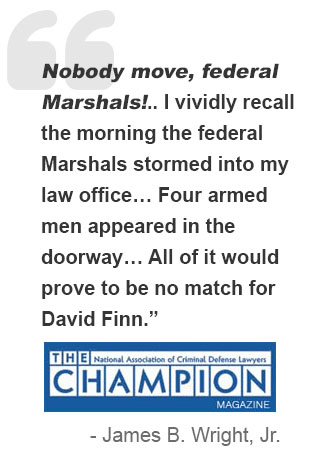
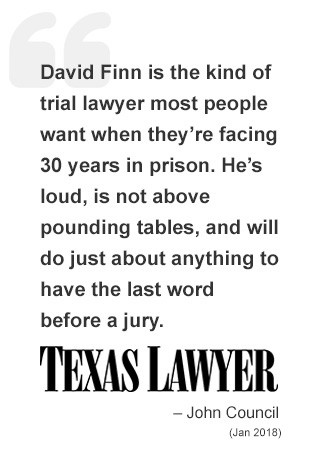
As an experienced criminal defense firm serving Dallas and the surrounding areas, David Finn – Dallas Criminal Lawyer & DWI Attorney has represented clients facing serious federal charges. Attorney David Finn has over 30 years of experience helping Texans protect their rights and freedoms in criminal court. He understands how federal prosecutors build these cases and what it takes to mount an effective defense.
Reach out to the David Finn law office for a confidential consultation. Call us today at (214) 538-6629.
How Federal Law Defines Immigration Fraud
Federal law addresses immigration fraud through several statutes. The most commonly used is 18 U.S. Code (USC) section 1546, which makes it a crime to forge, alter, or misuse immigration documents like visas, green cards, and work permits. It also covers making false statements under oath on immigration applications.
A separate statute, 8 USC section 1325, specifically targets marriage fraud. Under this law, anyone who knowingly enters into a marriage solely to evade immigration laws can face up to five years in federal prison and fines up to $250,000.
Other forms of immigration fraud include asylum fraud, employment verification fraud, and schemes involving fake businesses created to sponsor workers. Each carries its own set of federal penalties.
Common Types of Immigration Fraud Charges
Federal prosecutors pursue a range of immigration fraud offenses. Some of the most common include:
- Document fraud covers forging, altering, or using fake immigration documents. This includes counterfeit green cards, fake Social Security cards, and fraudulent work authorizations.
- Marriage fraud involves entering into a marriage primarily to obtain immigration benefits rather than to establish a genuine marital relationship. Federal agents investigate these cases by interviewing couples, examining financial records, and looking for evidence that the marriage is a sham.
- Asylum fraud occurs when someone makes false claims about persecution to obtain refugee status. This can include fabricating stories of harm or submitting fraudulent supporting documents.
- Employment fraud involves using false documents to pass employment verification or making false statements about work history on visa applications.
Penalties for Immigration Fraud Convictions
The consequences of an immigration fraud conviction vary based on the specific offense and circumstances. According to federal law, the standard penalties under 18 USC section 1546 include:
- Up to 10 years in federal prison for first or second offenses
- Up to 15 years for third or any other subsequent offenses
- Up to 20 years if the fraud facilitated drug trafficking
- Up to 25 years if the fraud facilitated international terrorism.
Federal law also penalizes document fraud related to one’s failure to disclose their role as a document preparer in falsely made applications. Under 8 USC section 1324c, penalties for this crime can include up to five years in prison for a first offense and up to 15 years for repeat offenders.
Beyond prison time, non-citizens convicted of immigration fraud face convictions that typically lead to removal proceedings and long‑term, often permanent, bars from future entry into the United States. Even lawful permanent residents can lose their status and be removed following a conviction.
How Immigration Fraud Cases Are Prosecuted in Dallas
The Northern District of Texas handles federal criminal cases across 100 counties in North Texas, including the Dallas area. According to the U.S. Attorney’s Office for the Northern District of Texas, prosecutors in the district handle more than 1,500 criminal cases each year and have a conviction rate around 94 percent.
Immigration fraud investigations typically involve multiple federal agencies working together. U.S. Citizenship and Immigration Services (USCIS) identifies potential fraud through application reviews and site visits. Homeland Security Investigations conducts criminal probes. The FBI may get involved in cases involving national security concerns.
Attorney David Finn has extensive experience handling federal cases in the Northern District of Texas. He understands the local court procedures, the prosecutors’ tactics, and what evidence is needed to challenge these charges effectively.
Potential Defenses Against Immigration Fraud Charges
Facing federal charges doesn’t mean conviction is certain. Several defense strategies may apply depending on the facts of your case.
- Lack of knowledge or intent is often central to these cases. Federal law requires that defendants act “knowingly” when committing immigration fraud. If you didn’t know a document was fake, or if you relied on bad advice from someone else, this could form the basis of a defense.
- Constitutional violations may provide grounds for dismissal or suppression of evidence. If federal agents conducted an illegal search or violated your rights during questioning, your attorney may be able to challenge the evidence against you.
- Challenging the government’s evidence is always important. Prosecutors must prove every element of the offense beyond a reasonable doubt. Weak evidence, inconsistencies in witness testimony, or problems with how documents were analyzed can all undermine the government’s case.
- Mistaken identity or administrative errors sometimes occur, particularly in cases involving document fraud, where multiple people may have handled the same documents.
David Finn, Dallas Criminal Lawyer & DWI Attorney, carefully reviews all evidence in federal cases to identify weaknesses and build the strongest possible defense.
Federal Immigration Fraud Enforcement in 2025
Federal enforcement of immigration crimes has increased substantially. According to the U.S. Department of Justice, U.S. Attorneys in southwestern border districts have charged over 1,000 defendants with immigration-related crimes in just the second week of April 2025 as part of ongoing enforcement operations.
In September 2025, USCIS announced the results of Operation Twin Shield, a large-scale fraud investigation in the Minneapolis-St. Paul area. Officers reviewed over 1,000 cases and found evidence of fraud or ineligibility in 275 cases, representing 44 percent of those interviewed. The operation uncovered marriage fraud, fake death certificates, and other schemes.
In North Texas, the US Attorney’s Office continues to work with agencies like the USCIS to prosecute cases of immigration fraud. Among the more recent cases was an alleged visa fraud scheme involving EB-2, EB-3, and H-1B visa applications, resulting in the indictment of two Dallas residents in June 2025.
These enforcement actions demonstrate that federal agencies are actively investigating immigration fraud across the country. Anyone under investigation or facing charges should take these matters seriously.
Frequently Asked Questions
What’s the difference between immigration fraud and visa fraud?
Visa fraud is a type of immigration fraud specifically involving visas. It includes using counterfeit visas, making false statements on visa applications, or impersonating another person to obtain a visa. Both are federal crimes prosecuted under similar statutes.
Can I be charged with immigration fraud if I used a document I didn’t know was fake?
Federal law requires “knowing” conduct for most immigration fraud charges. If you genuinely didn’t know a document was fraudulent, this could be a valid defense. However, prosecutors will examine all circumstances to determine whether ignorance is credible.
What happens to my immigration status if I’m convicted?
For non-citizens, an immigration fraud conviction typically results in removal proceedings and often a permanent ban, especially for aggravated felony convictions. Even lawful permanent residents can lose their status. The specific consequences depend on the offense and your immigration history.
How long do federal immigration fraud investigations take?
Investigations can last months or even years before charges are filed. Federal agents may conduct interviews, review documents, and gather evidence from multiple sources. If you believe you’re under investigation, consulting with an attorney early can help protect your rights.
Key Points to Remember
- Immigration fraud is a serious federal offense that can result in up to 10 to 25 years in prison, depending on the circumstances.
- The Northern District of Texas prosecutes federal cases in Dallas and maintains a conviction rate of around 94 percent.
- Common defenses include lack of knowledge or intent, constitutional violations, and challenging the government’s evidence.
- Non-citizens convicted of immigration fraud face deportation and a permanent bar from the United States.
- Early involvement of an experienced defense attorney can significantly impact the outcome of your case.
Contact David Finn, Dallas Criminal Lawyer & DWI Attorney, for Help With Your Criminal Defense Case
If you’re facing immigration fraud charges or believe you’re under federal investigation, getting experienced legal help quickly is important. The sooner you have an attorney reviewing your case, the better positioned you’ll be to protect your rights and build a strong defense.
David Finn is a top-rated criminal defense attorney in Dallas with experience handling federal cases in the Northern District of Texas. Visit the attorney profile page to learn more about his experience and results. Call (214) 538-6629 to schedule a consultation.


Phone Numbers
Office: (214) 538-6629
Office Location
Dallas